
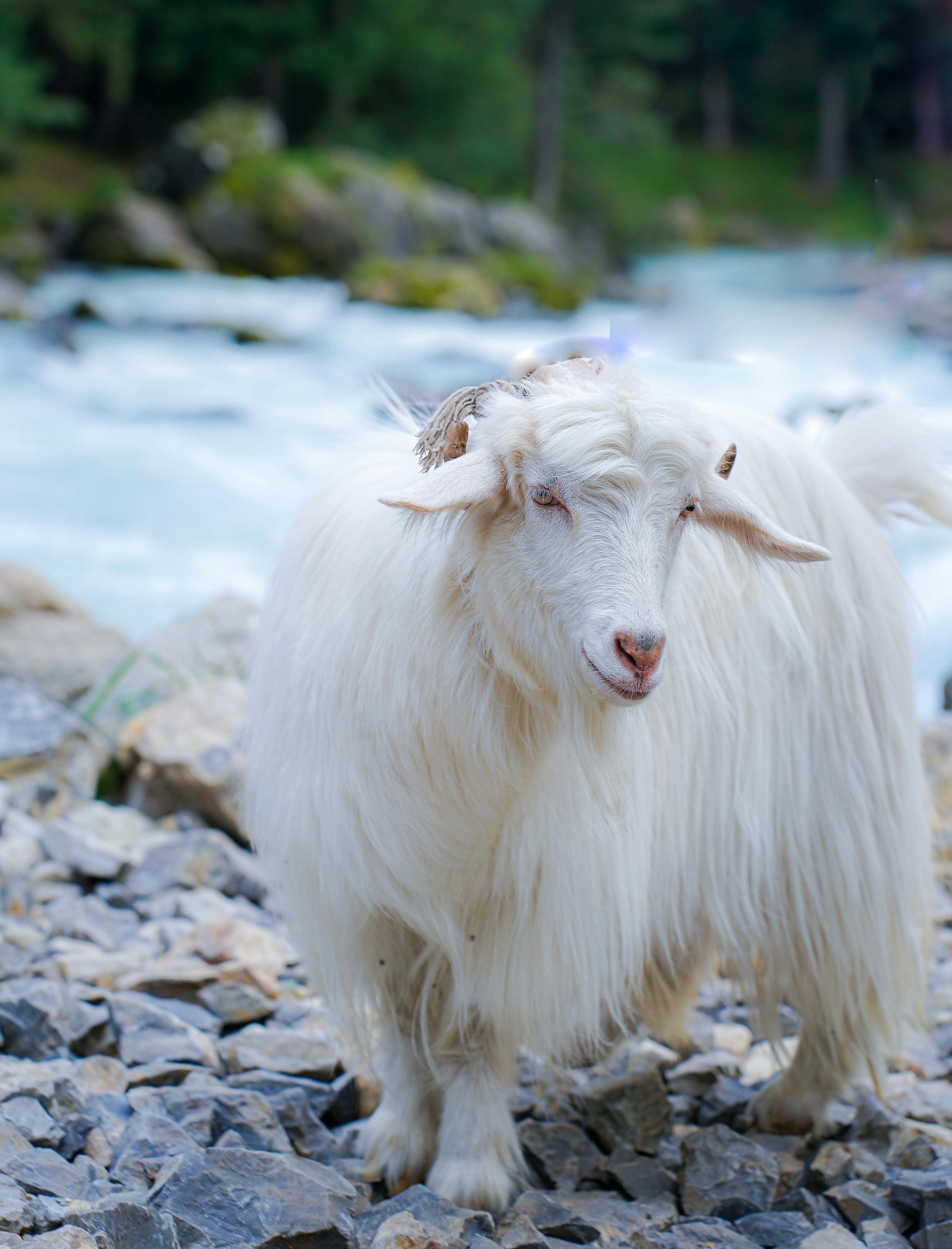
Image Source: From the Internet
Introduction: Why the Difference Between Pashmina and Cashmere Matters
Pashmina and cashmere are often spoken of as if they are interchangeable, yet for discerning buyers, the difference between the two is both meaningful and substantial. While both fibres are valued globally for their softness and warmth, authentic Pashmina represents a rarer, more refined, and more artisanal expression of luxury. In an international market where terminology is frequently misused, understanding this distinction is essential for anyone investing in fine shawls or scarves.
For many buyers, confusion begins at the point of purchase. Products labelled “Pashmina” vary widely in quality, origin, and price, leading to uncertainty about what is genuine and what is not. This guide explains the real difference between Pashmina and cashmere, exploring their origins, fibre quality, craftsmanship, ageing, pricing, and cultural value, so buyers worldwide can make informed and confident decisions.
Understanding the Common Confusion Between Pashmina and Cashmere
The confusion between Pashmina and cashmere largely stems from marketing practices rather than material reality. In many global markets, the word “Pashmina” is used loosely to describe any soft, lightweight shawl, regardless of fibre composition. Over time, this casual usage has diluted the meaning of the term and blurred the line between authentic Pashmina and standard cashmere products.
In technical terms, Pashmina is a type of cashmere, but only the finest and rarest form of it. While all Pashmina qualifies as cashmere, most cashmere does not qualify as Pashmina. The distinction lies in fibre fineness, geographical origin, and the traditional methods used to transform raw fibre into finished textiles. Without understanding these factors, buyers are often left comparing products that share a name but not the same substance.
Pashmina vs Cashmere: Key Differences
While Pashmina and Cashmere both come from goat fibres, there are important differences in origin, fineness, and craftsmanship.
| Feature | Pashmina | Cashmere |
|---|---|---|
| Fibre Source | Undercoat of the Changthangi goat from the Himalayan region (Ladakh & Kashmir) | Undercoat of various cashmere goats, mainly from Mongolia, China, and Central Asia |
| Fibre Thickness | Extremely fine, typically 12–16 microns | Usually 16–20 microns |
| Production Method | Traditionally hand-spun and handwoven by Kashmiri artisans | Often machine-spun and mass-produced in many regions |
| Softness | Exceptionally soft and lightweight due to finer fibre | Soft but generally slightly thicker than Pashmina |
| Warmth | Highly insulating while remaining lightweight | Warm but can feel heavier depending on weave |
| Craftsmanship | Deeply rooted in Kashmiri heritage craft traditions | Produced in many regions with varying levels of craftsmanship |
| Rarity | Limited fibre production from Himalayan goats | Larger global production of cashmere fibre |
| Luxury Perception | Often regarded as one of the most refined luxury textiles | Considered a premium wool but widely available |
| Typical Products | Shawls, scarves, luxury wraps | Sweaters, scarves, coats, knitwear |
The Origin of Pashmina: Specific Geography and Climate
Authentic Pashmina comes from the Changthangi goat, a rare breed native to the high-altitude Himalayan regions of Ladakh and the Tibetan plateau. These goats live at elevations above four thousand metres, where winters are severe and temperatures regularly drop far below freezing. To survive such harsh conditions, the goats develop an exceptionally fine and dense undercoat beneath their coarse outer hair.
This undercoat is naturally shed during spring and carefully collected by hand. The extreme climate is not incidental but essential to the quality of Pashmina fibre. The colder and harsher the environment, the finer and warmer the undercoat becomes. This unique combination of altitude, climate, and animal biology makes authentic Pashmina inherently rare and geographically specific.
The remarkable origin of this fibre is explored in Changthangi Goat Wool: The Rare Himalayan Fibre Behind Authentic Pashmina.
The Origin of Cashmere: Broader Geography and Scale
Cashmere, by contrast, is produced from several breeds of goats raised across a wide geographical range, including Mongolia, China, Iran, Afghanistan, and parts of Central Asia. These regions, while cold, do not consistently replicate the extreme conditions of the Himalayan plateau. As a result, the goats produce a coarser undercoat compared to the Changthangi goat.
Because cashmere goats are raised across multiple countries and climates, cashmere production can be scaled more easily. This broader geographic base contributes to greater availability and lower prices, but it also means that fibre quality varies significantly depending on source and processing methods.
Fibre Fineness: The Most Important Technical Difference
One of the most critical differences between Pashmina and cashmere lies in fibre diameter. Authentic Pashmina fibres typically measure between twelve and sixteen microns, placing them among the finest natural fibres in the world. This extraordinary fineness gives Pashmina its signature softness, lightness, and breathability.
Image Source: From the Internet
Standard cashmere fibres are thicker, generally measuring fifteen to nineteen microns or more. While still considered luxurious compared to sheep’s wool, they lack the delicacy and refinement of true Pashmina. Even small differences in fibre diameter have a noticeable impact on how a textile feels against the skin, how it drapes, and how it performs over time.
Craftsmanship: Handcrafted Pashmina vs Industrial Cashmere
The way fibres are processed further distinguishes Pashmina from cashmere. Authentic Pashmina is traditionally hand-spun and hand-woven in Kashmir using techniques that have been passed down through generations. The fibre is so fine that machines often break it, making hand-spinning essential to preserve its natural strength and softness.
Hand-weaving on traditional looms is a slow and deliberate process. It allows artisans to maintain control over tension, texture, and structure, resulting in a fabric that retains its natural elasticity and warmth. Subtle irregularities in the weave are a natural outcome of this process and serve as markers of authenticity.
Most commercial cashmere, on the other hand, is machine-spun and machine-woven. Industrial processing enables large-scale production and uniformity, but it often compromises fibre integrity. Chemical softeners are frequently used to enhance initial softness, which may diminish over time. As a result, cashmere production tends to prioritise efficiency and volume over longevity and artisanal character.
A deeper explanation of fibre fineness can be found in How Fine Is Pashmina Fibre Compared to Cashmere.
Weight, Warmth, and Everyday Wearability
Both Pashmina and cashmere are prized for warmth, but they behave differently when worn. Authentic Pashmina is remarkably lightweight while offering exceptional insulation. A Pashmina shawl can feel almost weightless yet remain comfortably warm, making it suitable for layering, travel, and changing climates.
Cashmere tends to feel heavier and bulkier in comparison, particularly in mass-produced forms. While it provides warmth, it often lacks the same breathability and fluid drape that characterise Pashmina. This difference becomes especially noticeable when wearing the fabric for extended periods or in varying temperatures.
How Pashmina and Cashmere Age Over Time
Ageing is one of the clearest indicators of quality. Authentic Pashmina improves with time and use. The hand-spun fibres gradually relax, becoming softer and more supple while retaining their strength. The fabric develops a graceful drape and a lived-in elegance that enhances its appeal rather than diminishing it.
Cashmere, particularly when machine-processed, tends to pill more aggressively and lose shape with repeated wear. While high-quality cashmere can age well, it rarely matches the longevity and refinement of true Pashmina. The way a textile evolves over time often reveals more about its quality than its appearance when new.
Pricing Differences and What They Reflect
Price is often the first difference buyers notice. Authentic Pashmina commands a higher price because of its limited fibre yield, annual hand collection, and entirely manual production process. Each shawl represents weeks or months of skilled labour, along with the preservation of a geographically specific craft.
Cashmere, while still a premium fibre, is produced at scale across multiple regions and processed industrially, making it more accessible and affordable. When a product labelled “Pashmina” is priced similarly to mass-produced cashmere, it is often an indication that the fibre is not authentic.
Also Read: Why is Pure Pashmina Expensive
Certification and Authenticity Assurance
Another key distinction lies in certification. Authentic Kashmiri Pashmina is protected under Geographical Indication regulations, which confirm that the fibre comes from Changthangi goats and that the spinning and weaving are carried out by hand in Kashmir. This certification exists to protect both artisans and buyers from misrepresentation.

Cashmere does not have equivalent geographical protection. Its production spans multiple countries, and quality standards vary widely. For buyers seeking assurance of authenticity, certification plays a crucial role in distinguishing genuine Pashmina from products that simply share the name.
The certification process is explained in What Does GI-Tagged Pashmina Mean? Understanding Certification and Authenticity.
Is Pashmina Always Better Than Cashmere?
Whether Pashmina is “better” than cashmere depends on individual priorities. Pashmina appeals to those who value rarity, heritage, hand craftsmanship, and long-term durability. It is often chosen as an investment piece or heirloom rather than an everyday accessory.
Cashmere suits buyers looking for accessible luxury, versatility, and a lower price point. While both fibres have their place, they exist at different tiers of the luxury spectrum. Understanding this distinction helps buyers align expectations with their purchase.
Because of its rare fibre and traditional craftsmanship, authentic Pashmina has long been regarded as one of the world’s most refined textiles. The factors behind its luxury status are explored in What Makes a Pashmina Shawl Luxury.
Why the Difference Matters for Buyers
Understanding the real difference between Pashmina and cashmere protects buyers from misrepresentation and disappointment. It ensures that expectations around price, quality, and longevity are realistic and informed. More importantly, it allows buyers to appreciate the cultural and artisanal value embedded in authentic Pashmina.
For those investing in Pashmina, the value lies not only in comfort but in craft, culture, and continuity. Each piece represents a connection to a living tradition that cannot be replicated by industrial production.
Pashmsutra’s Perspective on Pashmina and Cashmere
At Pashmsutra, the distinction between Pashmina and cashmere is approached with clarity, responsibility, and respect for heritage. Rather than treating these fibres as interchangeable luxury materials, Pashmsutra recognises them as fundamentally different expressions of craftsmanship, geography, and value. This perspective shapes not only how collections are created, but also how authenticity is communicated to a global audience.
Pashmsutra views authentic Pashmina as a textile defined by its origin and process, not by softness alone. The brand’s focus remains firmly on genuine Changthangi Pashmina fibre and the traditional Kashmiri methods required to transform it. These methods—hand-spinning and hand-weaving—are not aesthetic choices but technical necessities. The fibre’s extreme fineness demands human skill and patience, qualities that machines cannot replicate without compromising integrity.
In contrast, cashmere is understood as a broader category of luxury fibre, produced across multiple regions and largely processed through industrial means. While high-quality cashmere has its place as a comfortable and accessible luxury, Pashmsutra does not position it as equivalent to Pashmina. The difference, in Pashmsutra’s view, lies not in branding but in structure: scale versus scarcity, efficiency versus craft, and uniformity versus individuality.
Transparency is central to this philosophy. In a market where the term “Pashmina” is often used loosely, Pashmsutra places importance on traceability, ethical sourcing, and clear communication. By emphasising fibre origin, craftsmanship, and certification, the brand allows buyers to understand what they are choosing—and why it matters—rather than relying on assumptions shaped by marketing language.
Pashmsutra’s perspective also acknowledges the human dimension behind authentic Pashmina. Supporting traditional artisans in Kashmir is not framed as a narrative device, but as an essential part of sustaining a living craft. Each piece reflects not only material quality but also the continuity of skills passed down through generations. This approach aligns with a broader vision of responsible luxury, where longevity and cultural respect take precedence over trends and volume.
Ultimately, Pashmsutra positions Pashmina not as a competitor to cashmere, but as its most refined and rare expression. Cashmere offers comfort and versatility, while authentic Pashmina offers depth, provenance, and enduring value. By maintaining this distinction with honesty and restraint, Pashmsutra invites a global audience to engage with Pashmina as it truly is—an heirloom textile shaped by nature, time, and human mastery.
Final Thoughts: Choosing Between Pashmina and Cashmere
While Pashmina and cashmere share a common lineage, they represent two very different expressions of luxury. Cashmere offers comfort and accessibility, while authentic Pashmina offers rarity, refinement, and cultural depth. Understanding this difference allows buyers to make informed choices rooted in knowledge rather than assumption.
For those seeking timeless elegance and enduring value, authentic Pashmina stands apart—not as an alternative to cashmere, but as its most refined form.
Written by the Pashmsutra editorial team, specialists in authentic Kashmiri Pashmina and traditional craftsmanship.


