

Explore Pashmsutra's GI Tagged/ Certified Pashmina
Understanding the World’s Finest Natural Textiles
A Complete Perspective
Luxury fabrics are defined not just by price, but by rarity, fibre fineness, craftsmanship, and long-term performance. Among the world’s most respected textiles—Pashmina, cashmere, vicuña, silk, and alpaca—each holds a distinct place based on origin, softness, and cultural significance.
Understanding these materials allows buyers to move beyond branding and recognise true textile excellence.
What Defines a Luxury Fabric?
Luxury in textiles is not created through marketing. It is determined by structure.
The most refined fabrics in the world share four defining characteristics:
- They are made from rare natural fibres.
- They require skilled craftsmanship.
- They offer superior softness and comfort.
- They maintain relevance over time.
These factors distinguish true luxury from mass-produced alternatives.
Unlike synthetic or industrial fabrics, natural luxury fibres evolve with use. They soften, adapt, and develop character rather than deteriorating quickly.
The World’s Finest Luxury Fabrics
Across global textile traditions, a few fibres consistently stand apart due to their exceptional properties.
Pashmina: The Himalayan Standard of Refinement

Explore Pashmsutra's Handspun Pashmina
Authentic Kashmiri Pashmina is widely regarded as one of the finest natural fibres in the world. Sourced from the undercoat of the Changthangi goat in the Himalayan region, it is known for its exceptional fineness, typically around 12–16 microns.
This fineness creates a balance of softness and warmth that is difficult to replicate.
Unlike machine-produced fabrics, traditional Pashmina is hand-spun and handwoven, preserving the natural structure of the fibre. This results in a textile that feels light, breathable, and fluid.
If you want to understand the technical side of this fineness, our article on How Fine Is Pashmina Fibre Compared to Cashmere explains how micron count influences softness and drape.
Pashmina represents the intersection of geography, climate, and craftsmanship.
Cashmere: The Global Luxury Staple

Image Source: From The Internet
Cashmere is one of the most widely recognised luxury fibres. Derived from goat undercoat similar to Pashmina, it varies significantly in quality depending on origin and processing.
Standard cashmere typically ranges from 15 to 19 microns. Higher-grade cashmere approaches the fineness of Pashmina, but much of the commercial market includes thicker fibres.
Cashmere’s popularity comes from its softness and accessibility. However, large-scale production has led to variability in quality.
Understanding these differences is essential when comparing fabrics.
Vicuña: The Rarest Fibre in the World
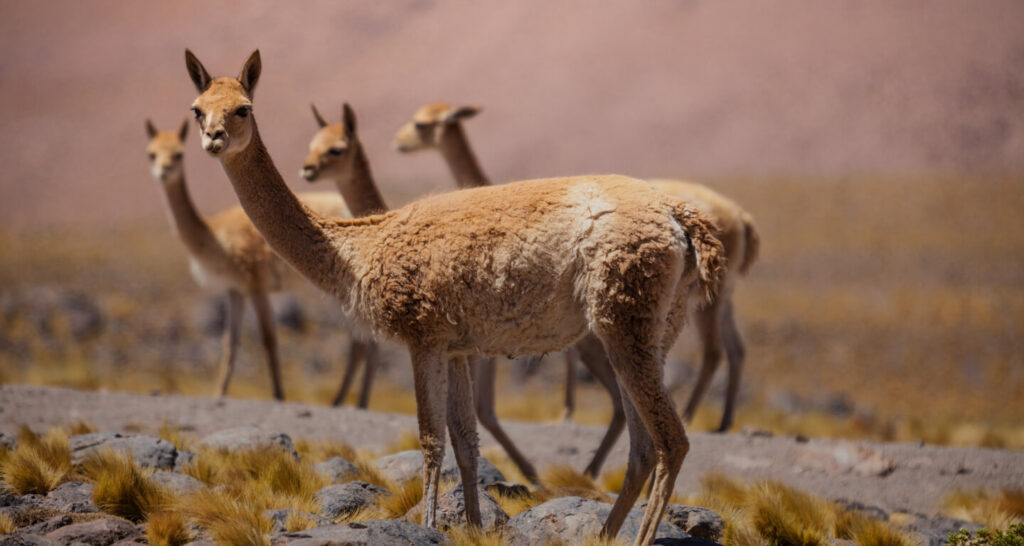
Image Source: From The Internet
Vicuña is often described as the rarest and most exclusive natural fibre.
Sourced from the vicuña animal in the Andes, it is exceptionally fine, often measuring around 11-14 microns. Its rarity is strictly regulated, which contributes to its extremely high cost.
Because of its limited availability, vicuña is used in very small quantities and often reserved for ultra-premium garments.
Its softness is remarkable, but its accessibility is limited.
Silk: Smoothness and Fluid Elegance

Explore Pashmsutra's Organic Print Silk Stoles
Silk is one of the oldest luxury fabrics in the world. Known for its smooth texture and natural sheen, it offers a completely different sensory experience compared to wool-based fibres.
Unlike Pashmina or cashmere, silk is not defined by warmth but by fluidity and elegance.
It is widely used in both fashion and interior textiles due to its versatility.
Alpaca: Softness with Strength
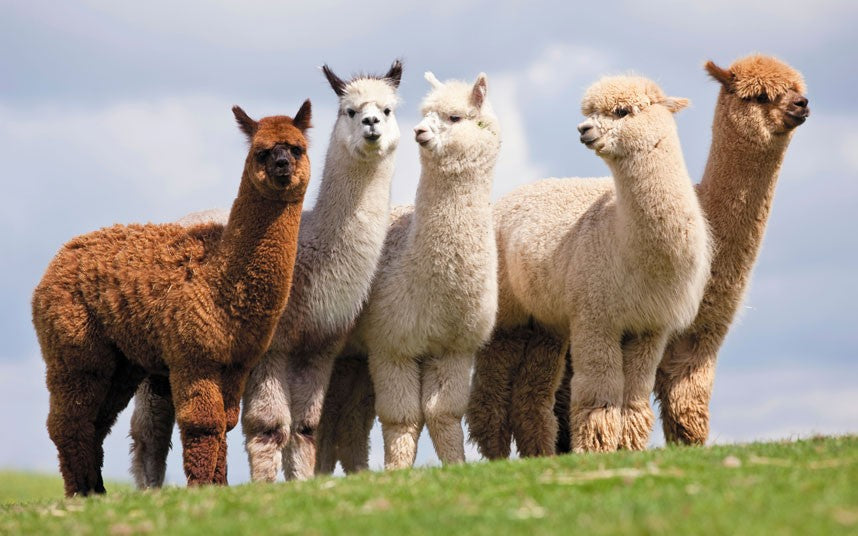
Image Source: From The Internet
Alpaca fibre, particularly baby alpaca, is valued for its softness and durability.
It is slightly thicker than Pashmina but offers excellent warmth and resilience. Alpaca fibres are also naturally hypoallergenic, making them suitable for sensitive skin.
Its structure makes it more durable but slightly less refined in texture compared to finer fibres.
Fine Wool: Everyday Luxury
:max_bytes(150000):strip_icc()/GettyImages-155379351-58fd7b885f9b581d59089118.jpg)
Image Source: From The Internet
Fine wool, such as merino, represents a more accessible category of luxury textiles.
While it lacks the fineness of Pashmina or vicuña, it provides warmth and durability at a lower cost.
It is widely used in everyday garments and serves as a practical entry point into natural fibres.
Comparing the World’s Finest Fabrics
| Fabric | Micron (Approx) | Softness | Warmth | Rarity | Craft Involvement |
|---|---|---|---|---|---|
| Vicuña | ~12 | Exceptional | Moderate | Extremely Rare | Very High |
| Pashmina | 12–16 | Very High | High | Rare | High |
| Cashmere | 15–19 | High | High | Moderate | Medium |
| Alpaca | 18–25 | Medium-High | High | Moderate | Medium |
| Wool | 20+ | Medium | High | Common | Low |
| Silk | N/A | Smooth | Low | Moderate | Medium |
This comparison illustrates how fineness, rarity, and craftsmanship collectively define luxury.
Why Pashmina Holds a Unique Position
Among all luxury fibres, Pashmina occupies a distinctive space.
It combines:
-
Exceptional fineness
-
Breathable warmth
-
Traditional craftsmanship
-
Cultural heritage
Unlike vicuña, it is rare but still accessible.
Unlike cashmere, it maintains stronger ties to handcraft traditions.
This balance makes it one of the most versatile luxury textiles.
If you are exploring how authenticity is preserved, our guide on What to Look for Before Buying a Pashmina Shawl explains how fibre origin and craftsmanship influence quality.
Choosing the Right Luxury Fabric
Selecting a luxury fabric depends on purpose.
For warmth with lightness, fine fibres such as Pashmina perform exceptionally well.
For formal elegance, silk offers fluidity and sheen.
For durability, alpaca and wool provide resilience.
Understanding your need allows you to select materials that align with both lifestyle and environment.
The Role of Craftsmanship in Luxury Textiles
Luxury fabrics are not defined by fibre alone. Craftsmanship plays a critical role.
Hand-spinning, weaving, and finishing techniques influence how a textile behaves over time.
Authentic handcrafted textiles often age better than machine-made alternatives. They retain structure, soften naturally, and maintain visual depth.
Our article on Why Authentic Craft Holds Value Better Than Fast Fashion explores how craftsmanship directly impacts long-term value.
The Future of Luxury Fabrics
The global luxury market is gradually shifting toward:
-
authenticity
-
sustainability
-
durability
-
understated design
Consumers are moving away from trend-driven purchases toward materials that offer long-term value.
This shift reinforces the importance of understanding fabrics at a deeper level.
Final Reflection
Luxury fabrics are not defined by labels, but by substance.
Pashmina, cashmere, vicuña, silk, alpaca, and fine wool each represent different aspects of textile excellence. Some offer rarity, others durability, and others fluid elegance.
Among them, Pashmina stands out for its balance of fineness, craftsmanship, and versatility.
Understanding these materials transforms buying decisions into informed choices.
And informed choices are the foundation of true luxury.
Written by the Pashmsutra editorial team Specialists in authentic Kashmiri Pashmina and traditional hand-woven textiles
Updated 2026


